
Majestic Forts to Visit on Jaipur Sightseeing Tour
Jaipur’s forts reflect the strategic brilliance and architectural mastery of Rajput rulers. Built on hilltops and overlooking the city, these structures served as defensive strongholds while also functioning as royal residences.
Popular forts to include in your Jaipur sightseeing tour:
- Amber Fort (Amer Fort): Located about 11 km from Jaipur, this magnificent hill fort was begun in 1592 by Raja Man Singh I and later expanded by successive rulers. Built using red sandstone and white marble, the fort features grand courtyards, ornate gateways, and the famous Sheesh Mahal (Mirror Palace). The fort overlooks the scenic Maota Lake, which historically served as a water source for the palace complex.
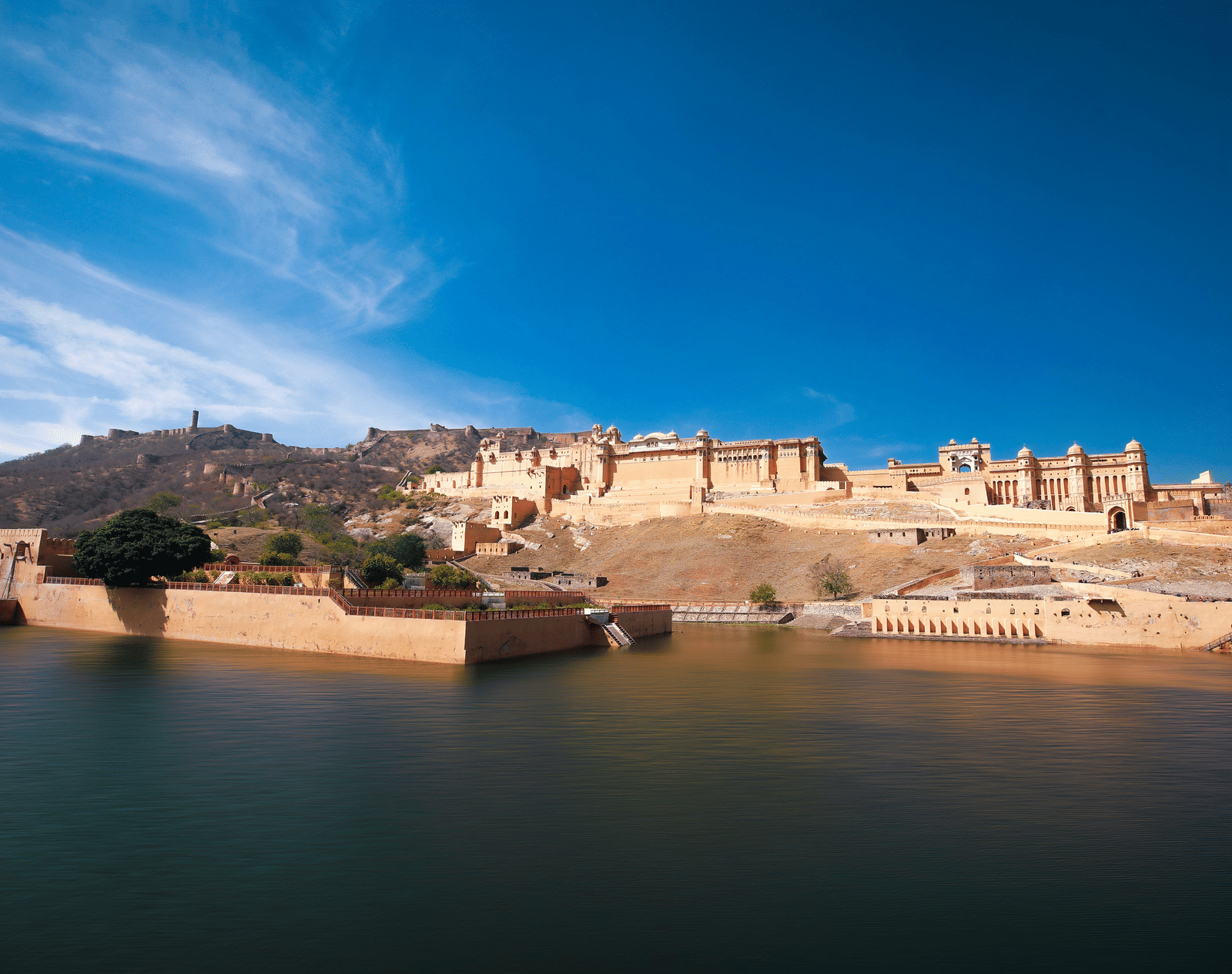

- Jaigarh Fort: Situated around 10 km from Jaipur on the Cheel ka Teela hill of the Aravalli range, this fortress overlooks Amber Fort and was built primarily for military defence. It houses the legendary Jaivana cannon, once the world’s largest cannon on wheels, and stretches nearly 3 km in length.
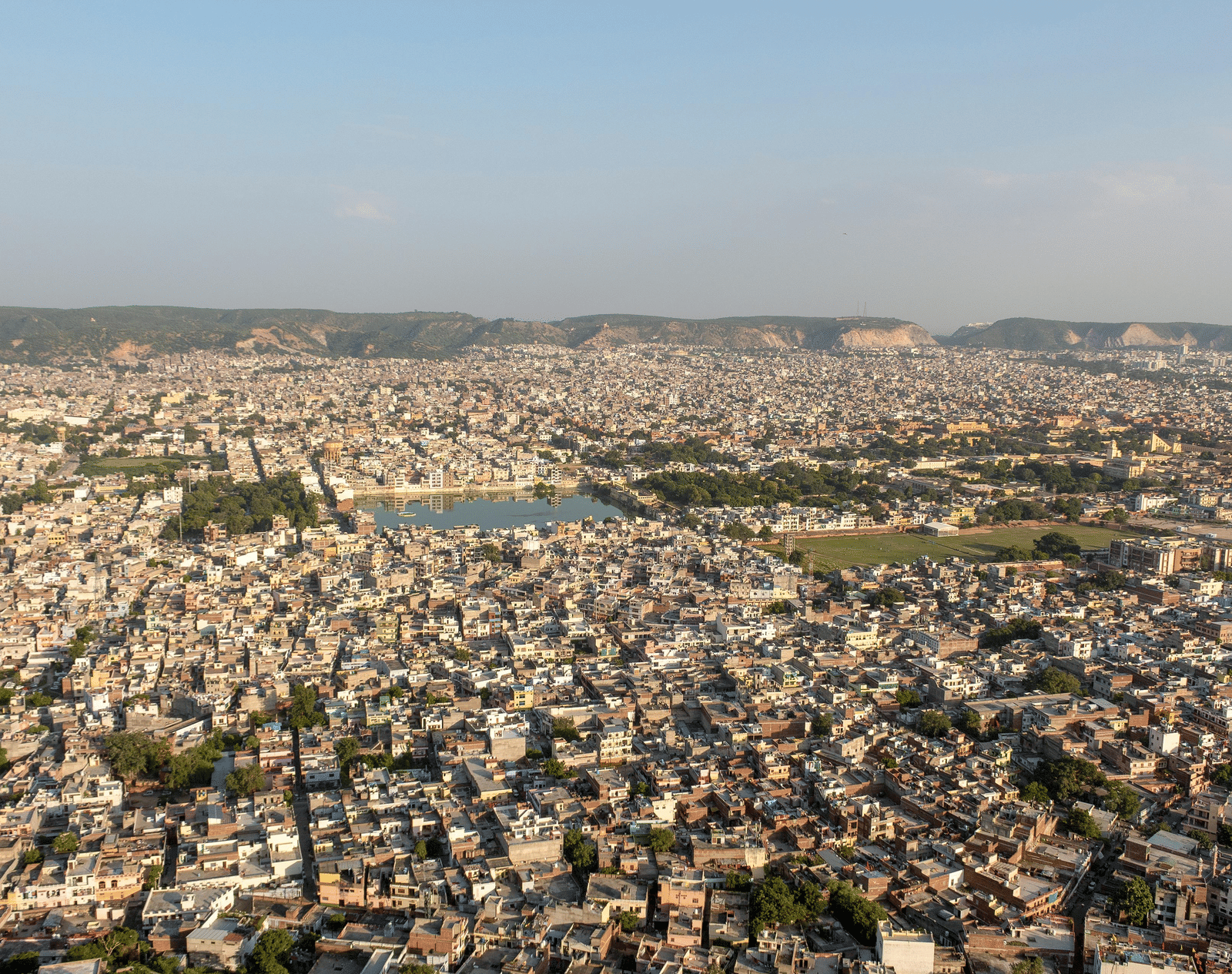
- Nahargarh Fort: Perched on the Aravalli hills about 18 km from central Jaipur, this fort was built in 1734 by Maharaja Sawai Jai Singh II. It served as a retreat for the royal family and today offers some of the best panoramic views of the Pink City, especially during sunset.
Travel Tip: Visit the forts early in the morning or late afternoon to avoid crowds and enjoy pleasant weather, especially during the winter months.
Royal Palaces that Define Jaipur’s Heritage
Palaces are among the most iconic Jaipur sightseeing places, reflecting the luxurious lifestyle and artistic taste of Rajasthan’s royal families. Must-visit palaces include:
- City Palace: Built in the 18th century by Sawai Jai Singh II, this sprawling complex blends Rajput, Mughal, and European architectural styles. The palace includes several courtyards, gardens, and buildings such as Chandra Mahal and Mubarak Mahal, and houses museums displaying royal costumes, weapons, and artefacts.
- Hawa Mahal: One of Jaipur’s most famous landmarks, this five-storey structure was built in 1799 by Maharaja Sawai Pratap Singh. Its distinctive façade features 953 intricately carved windows (jharokhas) designed to allow royal women to observe street life and festivals without being seen.
- Jal Mahal: Situated in the middle of Man Sagar Lake, this picturesque palace was originally constructed in the late 17th century and later renovated by Maharaja Jai Singh II. The palace appears to float on the water, and when the lake is full, four of its five storeys remain submerged, creating a stunning visual effect.


Sacred Temples for Cultural Exploration
Temples are an essential part of Jaipur’s cultural landscape and are worth a visit during Jaipur sightseeing.
Key temples to explore:
- Birla Mandir (Laxmi Narayan Temple): Built entirely of white marble, this temple is dedicated to Lord Vishnu and Goddess Lakshmi and is known for its peaceful surroundings and intricate carvings.
- Galta Ji Temple: Located about 8 km from Jaipur, this ancient temple complex sits between rocky hills and includes natural water springs and sacred kunds (water tanks). It is popularly known as the Monkey Temple due to the large number of monkeys found in the area.
- Govind Dev Ji Temple: Situated within the City Palace complex, this temple is one of the most revered Krishna temples in Rajasthan and attracts thousands of devotees daily.
Travel Tip: Early morning visits provide a calm spiritual experience and allow travellers to witness traditional temple rituals.
Museums that Showcase Jaipur’s Rich History
For travellers interested in art, science, and history, Jaipur’s museums provide fascinating insights into Rajasthan’s cultural heritage, such as:
- Albert Hall Museum: Established in 1887, this is the oldest museum in Rajasthan and is located in Ram Niwas Garden. Designed in the Indo-Saracenic architectural style, the museum houses artefacts including paintings, carpets, sculptures, metal objects, and even an Egyptian mummy.
- Anokhi Museum of Hand Printing: Located in Amer, this museum highlights the centuries-old craft of Rajasthani block printing, showcasing traditional tools, fabrics, and techniques.
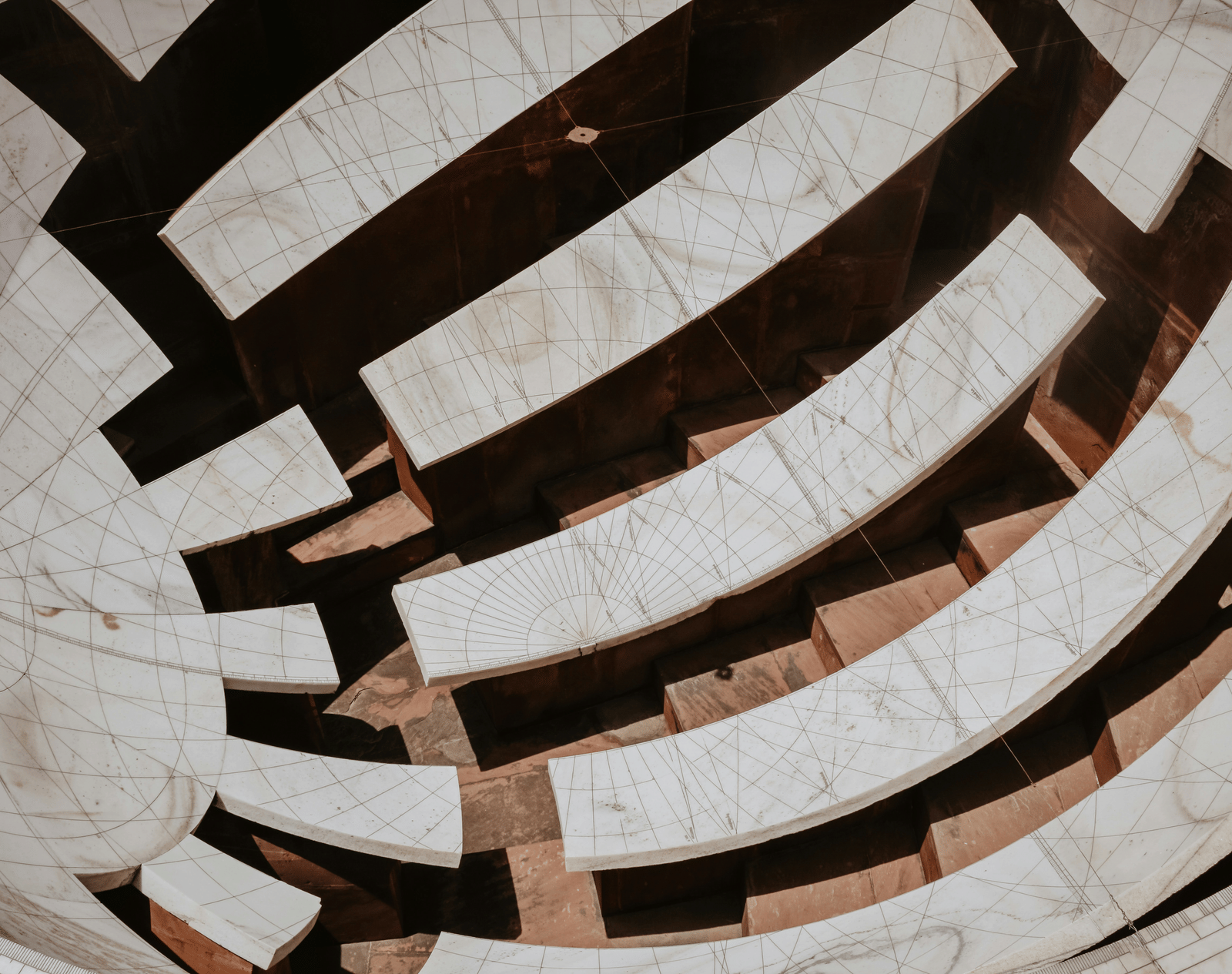
- Jantar Mantar Observatory: Built between 1724 and 1730, this UNESCO World Heritage Site features 19 astronomical instruments, including the world’s largest stone sundial, used historically to measure time and observe celestial bodies.

Vibrant Local Bazaars for Shopping and Culture
No Jaipur sightseeing tour is complete without exploring the colourful markets that reflect the city’s lively culture and craftsmanship.
Popular shopping streets include:
- Johari Bazaar: Famous for precious gemstones, jewellery, and traditional Kundan and Meenakari designs
- Bapu Bazaar: Known for colourful textiles, handicrafts, leather goods, and traditional mojari footwear
- Tripolia Bazaar and Chandpole Bazaar: Great places to explore brassware, marble artefacts, and traditional handicrafts
These bazaars also offer a glimpse into Jaipur’s traditional crafts such as block printing, blue pottery, gemstone cutting, and lacquer jewellery making.
Shopping Tip: Evenings are the best time to explore Jaipur’s markets when the bazaars are lively and illuminated.
Best Time and Tips for Jaipur Sightseeing
To enjoy the city comfortably, plan your trip during the winter months from October to March, when temperatures are pleasant and ideal for outdoor exploration.
Helpful travel tips:
- Start sightseeing early to cover multiple attractions in one day.
- Carry sunglasses, water, and sun protection, especially during warmer months.
- Consider hiring a local guide for forts and palaces to better understand their historical significance.
- Many monuments offer composite entry tickets, allowing visitors to explore multiple heritage sites conveniently.

Urban Suites by BluSalzz: A Comfortable Stay for Your Jaipur Sightseeing Journey
After a day of exploring the many Jaipur sightseeing places, choosing a comfortable stay enhances the overall travel experience. Urban Suites by BluSalzz, Jaipur, offers a relaxing retreat with modern amenities and convenient access to several tourist attractions and travel hubs.
During your stay, enjoy the thoughtfully designed accommodations, such as:
- Studio Deluxe Rooms with private balconies and modern furnishings
- Studio Premium Rooms offering additional space and elevated views
- Studio Residences with kitchenettes ideal for extended stays
- Spacious suites with separate living areas suitable for families and leisure travellers
The property enhances the stay experience with several facilities:
- Pure vegetarian dining at Urban Rasoi
- A refreshing outdoor swimming pool
- Fitness centre for active travellers
- Expansive lawns and event spaces
- Travel assistance for convenient sightseeing planning
Located in Jagatpura, the property offers convenient access to major city roads and transport hubs, making it an excellent base for travellers exploring Jaipur’s historic landmarks, shopping streets, and cultural attractions.
